How to Choose the Right Pipe Relining Material for Your Home
Keeping your home’s plumbing in good order is essential but pipes will wear out as time passes. The most common method for replacing them involves digging up and removing the old pipes, which can be a hassle and costly. Relining pipes is a superior, cost-effective and efficient alternative.
Key Takeaways
- The process of relining pipes is a low-cost alternative to traditional replacement of pipes methods.
- The selection of the best pipe relining material is essential for effectiveness and longevity
- The factors to consider when selecting pipe relining materials are environments, flow capacities and durability, as well as costs and maintenance
- The types of materials used for pipe relining include Cured in-Place-Pipe (CIPP), Fiberglass Pipe Lining, as well as Cast Iron Pipe Lining.
- Relining pipes creates a brand new "pipe within a pipe" that allows for full functionality without the removal of the existing pipes.
However, with the variety of materials for pipe relining it is crucial to select the right one. This guide will help you comprehend what to look for when selecting a pipe relining material that will meet your requirements and budget.
What exactly is Pipe Relining?
Before we get into the best pipe Relining material, let’s go over what it is.
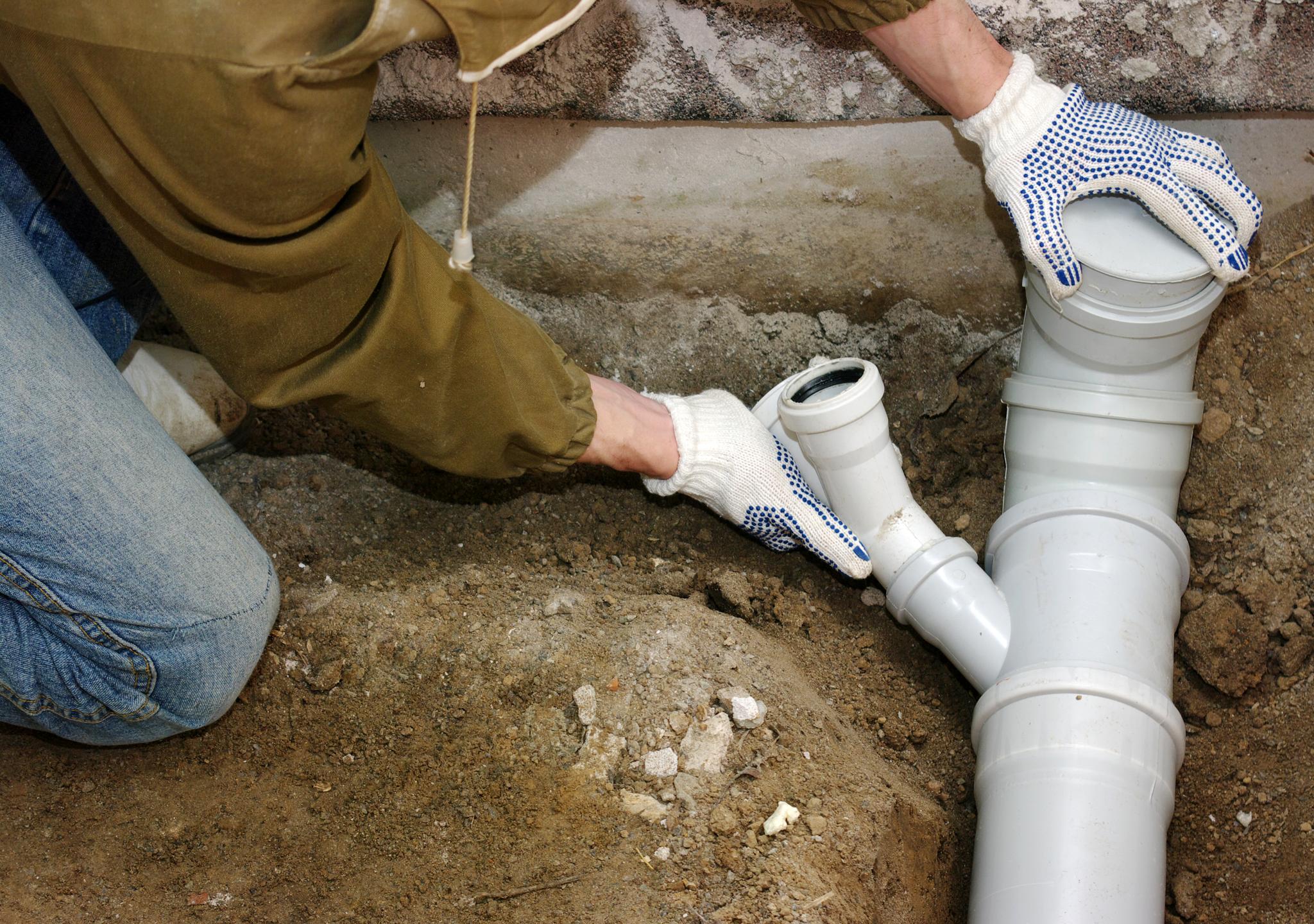
Pipe relining is a process that involves inserting an epoxy liner inside damaged or degraded sewer lines, water mains or any other underground piping systems preventing root infiltration and leaks. It essentially creates a new "pipe within an existing pipe" that helps to restore full functionality without requiring the removal of pipes that are already in use.
The advantages of pipe relining include:
- Minimizes excavation works
- Lowers the costs associated with traditional methods
- More hygienic than excavation
There are many advantages selecting the right material for the lining is crucial in terms of effectiveness and durability.
Considerations When Choosing Pipe Relining Materials
- Environment: Another of the vital aspects to be aware of when selecting the pipe lining material you choose should be the surroundings. The external environment determines the strength of the liner is protected from any impacts such as chemicals and humid conditions, among others.
- Flow Capacity: The term "flow capacity" could be the amount of liquid which flows easily throughout your plumbing when you install new lines.
- Durability: Durability measures how long it will last when exposed to tough environments like excess moisture levels, chemicals among other harsh conditions.
Costs
Additional Information
- Blocked Drain Emergency? Here’s What You Need to Know About DIY vs. Professionals
- CCTV Drain Inspection: An Effective Way to Prevent Future Plumbing Issues
- Say Goodbye to Messy Plumbing Repairs with Trenchless Pipe Relining
- How CCTV Drain Inspection Can Save You Money in the Long Run
- Understanding the Technical Aspects of a CCTV Drain Inspection Report
- Save Money and Time with Preventative Drain Care Practices
- Don't Let These Common Mistakes Clog Your Pipes
- Dealing with Blocked Drains: DIY Techniques vs Professional Services
- Reasons Why CCTV Drain Inspection is a Must Before Purchasing a Property
- Top Reasons to Choose Pipe Relining for Your Residential or Commercial Property