What to Do When Your Toilet is Blocked: A Step-by-Step Guide

Toilet blockages can happen at any moment and are a common issue for homeowners. It can be unpleasant dirty, inconvenient, and messy and require immediate attention. However, you don’t need to call the plumber right away. In this blog, we will guide you through a few easy ways to clean your toilet within a matter of minutes.
Key Takeaways
- Toilet blockages are easily remediated using simple tools and techniques like plungers, baking soda
The Tools You’ll Need
Before we start, it’s essential to have these tools in your arsenal:
- Rubber Gloves
- Plunger
- Baking Soda and Vinegar (Optional)
- Hook for the Wire Coat or Plumber Snake (Optional)
Step 1: Close your water source valve.
The first thing to do when confronted with a blocked toilet is to turn off water valves on the toilet. This step ensures that no more water enters the tank as you work on unclogging it. The valve is usually situated at the bottom of the tank, on the other side.
Step 2: Make sure you are protected by wearing rubber gloves.
Your hands must be protected from potential bacteria or germs found in your toilet bowl by wearing rubber gloves prior using any tools for unclogging.
Step 3: Use a plunger.
A plunger is without doubt the most effective tool for clearing up blocked toilets. Start by pushing down to the plunger, until all air is released, then place it firmly on the toilet and begin to plunge vigorously up and down for around 20 minutes. The suction that is created through plunging back and forth can help clear any obstructions.
Tips:
- Ensure you use a forceful but controlled motion.
- Make holes in the sinks or shower drains if they’re close enough to stop the pressure of air from escape as you plunge.
Step 4: Try baking soda and vinegar in a mixture.
If plunging doesn’t work then try this alternative method add half a cup of baking soda and a cups of white vinegar to the toilet. Let the mixture sit for about 15 minutes. It will begin to bubble but when it ceases to fizz it will be poured down with hot water (not hot) to remove the blockage.
Step 5 Utilize a coat hanger with wire or plumbing snake.
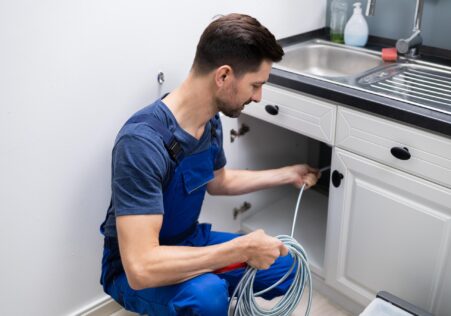
If both plunging and baking soda and vinegar have not worked, then it is time to try a wire coat hanger, or plumbing snake. The coat hanger should be straightened’s wire until you have a thin, long wire that has an angled hook at one end. You can also use the plumbing snake. It was made specifically to clear drain obstructions. Place the snake into the drain hole on your toilet, and then twist and turn, push to the point where you can feel resistance; it’s the place where the blockage is. Gently try to break up any blockages using back-and-forth motion without causing damage to your pipeline.
Note:
- Don’t push or pull actions with force as they may create more problems.
Step 6: Switch on the water supply, and then check the result
Once you’ve cleared up any obstructions, it’s important to switch on the supply of water on your toilet bowl once more. After that, flush it a few times to ensure that everything is running smoothly!
| Tools | Description |
|---|---|
| Rubber Gloves | Hand protection from potential bacteria or germs present in the toilet bowl. |
| Plunger | Most effective tool for clearing up blocked toilets. Press firmly over the hole in your toilet bowl and plunge vigorously up and down for about 20 seconds. |
| Baking Soda and Vinegar | Mixture to use if plunging doesn’t work. Pour half a cup of baking soda and one cup of vinegar into the toilet bowl. Let this mixture settle for about 15 minutes, then pour hot water down (not boiling) to flush out the blockage. |
| Wire Coat Hanger or Plumbing Snake | Tools to use if both plunging and baking soda/vinegar methods have failed. Straighten the wire coat hanger until you have a long thin wire with a hook bent at one end or use the plumbing snake, which is designed specifically for clearing drain clogs. |
FAQ
What can I do to tell if my toilet is blocked?
The most frequent indicators of a clogged toilet is when water levels rise to the top of the toilet after flushing. There is a possibility that water drains away slowly, or you may hear noises of gurgling coming through the toilet.
What can I do if my bathroom is blocked?
If you think the toilet is blocked then avoid flushing it over again since this could cause flooding. Instead, shut off your water source to the valve in front of the toilet and employ a plunger to try and remove any blockages. If this isn’t working then call Perth Blocked Drains Plumber for professional help.
Can I stop my toilet from getting blocked?
Yes! There are numerous ways to avoid your toilet becoming blocked. One of them is to avoid flushing non-degradable products like the sanitary products, wet wipes or cotton wool into the toilet. You should also avoid pouring grease or oil down the sink, as it can cause solidification and block pipes.
What is the best time to call a professional plumber for the problem of a toilet that is blocked?
If you’ve tried flushing your toilet but it still won’t unblock or you suspect that there’s an issue in your plumbing system causing frequent blockages, you need to seek out an experienced professional plumber such as Perth Blocked Drains Plumber . We’ve got years of experience dealing with every kind of plumbing issue and can swiftly diagnose and fix any issues with the least disturbance to the home.
When should I schedule my drains cleared?
It’s recommended that you have the drains cleaned out by a professional like Perth Blocked Drains Plumber every 1-2 years. This can prevent blockages and ensure that your plumbing system in good working order. However, if you frequently suffer from blockages to your drains or slow draining of water despite taking precautions not to clog the drains, then annual cleaning can be beneficial.
These methods are relatively easy to execute and the majority of these items are readily available in homes. When facing blocked toilets before panicking after attempting all these techniques, call Perth Blocked Drains Plumber ‘s expert plumbers located in Perth , if you’re in search of professional assistance for problems with your blocked toilets.
Additional Information
- CCTV Drain Inspection: An Effective Way to Prevent Future Plumbing Issues
- Effective Ways to Clear a Clogged Shower Drain Naturally
- How CCTV Drain Inspection Can Save You Money in the Long Run
- Common Causes of Drain Blockages and How to Avoid Them
- Is It Time for a CCTV Drain Inspection? Here's What You Need to Know
- Understanding the Technical Aspects of a CCTV Drain Inspection Report
- The Importance of CCTV Drain Inspections in Preventing Expensive Property Damage
- Say Goodbye to Messy Plumbing Repairs with Trenchless Pipe Relining
- Top Reasons to Avoid DIY Drain Unblocking
- Blocked Drain Emergency? Here’s What You Need to Know About DIY vs. Professionals