Understanding the Differences Between Pipe Relining and Pipe Replacement
When it comes to fixing damaged pipes options are pipe relining or replacement of pipes. Both methods aim to restore the functionality of your pipelines, but they have marked differences that are important to understand.
Key Takeaways
- Pipe relining is a cost-effective and quick method of repairing damaged pipelines.
- Linings made of CIPP are used for the relining of pipes.
- Epoxy resin is used to line the internal parts of the pipe which sets to create a brand new inner lining in the old pipeline.
- Pipe relining is time-efficient, cost-effective and lasts up to 50 years.
- The traditional method of replacing pipes is digging up portions of property in which pipes are situated.
- The replacement of pipes is often necessary for pipes that are badly damaged.
- A brand-new pipeline installed with pipeline replacement has a longer life span (75 -100 years).
- Pipe replacement is costly and time-consuming.
- The choice between pipe relining and replacement depends on the level of damage that has been caused.
In this post, we’ll look at pipe relining as opposed to. replacing pipes and figure the one that best suits your needs better.
Is Pipe Relining a thing?
Pipe relining or Cured In-Place Pipe (CIPP) Lining is a modern repair method that provides a cost-effective and rapid solution for the repair of damaged pipelines.
Here’s how it will work:
- A technician cleans the pipeline with high-pressure water jetting or mechanical cleaning.
- Then, they place epoxy resin made from fiberglass or polyester inside the pipeline.
- The liner is cured, creating a new inner liner within the pipeline that’s as durable as a new one.
Advantages Pipe Relining
- The process is time-efficient, taking just 2 to 3 hours of time to accomplish the whole process compared with excavating for several days with traditional pipe replacement methods.
- Cost-effective - Because there is no excavation or removal required in pipe relining this method can save nearly 50% of the cost you’d pay for traditional repairs.
- Durability – The new liner created through pipe relining can last up to 50 years!
Pros and Cons of Pipe Relining
- Not recommended for extremely damaged pipes - If there are major damages such as cracks, collapses or joints that aren’t aligned properly in your sewer line then pipe relining could not be possible.
What exactly is Pipe Replacement?
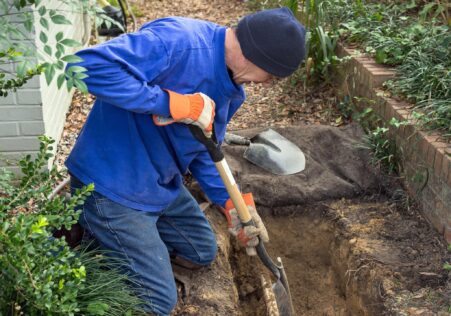
Pipe replacement involves digging up portions of the yard/sidewalk/driveway where underground pipes are located. The areas may contain the collapsed pipes as well as extremely corrosion-prone ones, due to the effects of time or neglect.
The following steps comprise most traditional replacements for pipes:
- A team of excavation workers digs access to the decayed underground pipe.
- The old pipeline has been removed and dredged out, producing a lot debris that needs to be disposed of.
- They then install the new pipeline on top of the one they had previously installed.
Pros of Pipe Replacement
- Ideal for pipes that have been severely damaged In the event that you need to replace pipes that have significant damage or corrosion, pipe replacement is the most effective option.
- Long life – The brand new pipeline, which is replaced by pipe has a long lifespan (75 to 100 years) making it an ideal solution for homeowners who want an ongoing solution.
Pros and Cons of Pipe Replacement
- The work of excavation required for the replacement of pipes is time-consuming and expensive.
- It is time-consuming. Pipe replacements can take weeks depending on the nature of the project and the depth of excavations needed.
Which one should you select?
The decision of the option of relining or replacing your pipes mostly is contingent on the level of damage caused. If your pipes suffer from minor damage, such as cracks or leaks that are minor, replacing them is likely to be the better option since it’s less expensive and faster than traditional pipe replacements.
However, if you have severe damages like collapses or breaks, then you should consider conventional pipe replacement, though it may be more expensive and will take longer.
| Pipe Relining | Pipe Replacement | |
|---|---|---|
| Procedure | CIPP lining using epoxy resin | Excavating and replacing the old pipeline |
| Pros | Time-efficient- 2 to 3 hours to complete | Suitable for severely damaged pipes |
| Cost-effective – Almost half of traditional costs. | New pipeline lasts for 75 to 100 years | |
| Durable – Lasts up to 50 years | ||
| Cons | Not suitable for severely damaged pipes | Costly |
| Time-consuming | ||
| When to choose | Minor damages like cracks or minor leaks | Severe damages like collapses or breaks |
FAQ
What is the process of relining pipes?
Relining of pipes is a procedure that involves creating a new pipe inside an existing damaged pipe. This is done by inserting a flexible liner inside the pipe that was damaged and the process of curing it. Once cured, the new pipe is completely free of joints and seams, which enhances its structural integrity.
How does traditional pipe replacement differ from relining pipe?
Traditional replacement of pipes involves excavating and physically dismantling old pipes, then replacing them with new ones. The alternative, pipe relining doesn’t require excavation; instead it’s done by using technology that permits repair of pipelines without digging huge areas of land.
Which option is less expensive: liner relining or conventional pipe replacement?
Relining pipelines typically costs less than traditional methods of pipe repair because there are no expenses related to excavation or other procedures that are required to remove and replace old pipes.
All kinds of pipes can be changed?
There are a few types of pipes that are relined in a successful manner. Ultimately, your plumber will have to inspect your particular situation to determine whether it’s possible to line the particular kind of pipes. However, most modern pipes can be fixed with this method.
How long does the process of pipe relining take?
The exact duration of the process is dependent on various factors such as location, climate, and type of damage; however the average Pipe Relining job usually takes 2-3 days, depending on the number of metres require lining..
In conclusion, if you wish to avoid digging work and save your money in the process of restoring your damaged pipelines’ function to its maximum you should consider using our Perth Blocked Drains Plumber ‘s fast and effective pipe relining services. Contact us today!
Additional Information
- How to Tell You Need Drain Clearing Services for Your Business
- How CCTV Drain Inspection Saves You Time and Money in the Long Run
- Top Reasons to Choose Pipe Relining for Your Residential or Commercial Property
- Say Goodbye to Messy Plumbing Repairs with Trenchless Pipe Relining
- How to Choose between Different Types of Pipe Relining Materials (And Which One Is Right for You)
- Tips for Recognize if Your Pipes Need Repairing
- Reasonably Priced Pipe Relining: The Perfect Answer for Your Sewer Troubles
- A Detailed Look at the Plumbing Relining Process: What You Need to Understand
- Keeping Costly Drain Repairs at Bay with Routine Inspections
- Don't Let These Common Mistakes Clog Your Pipes